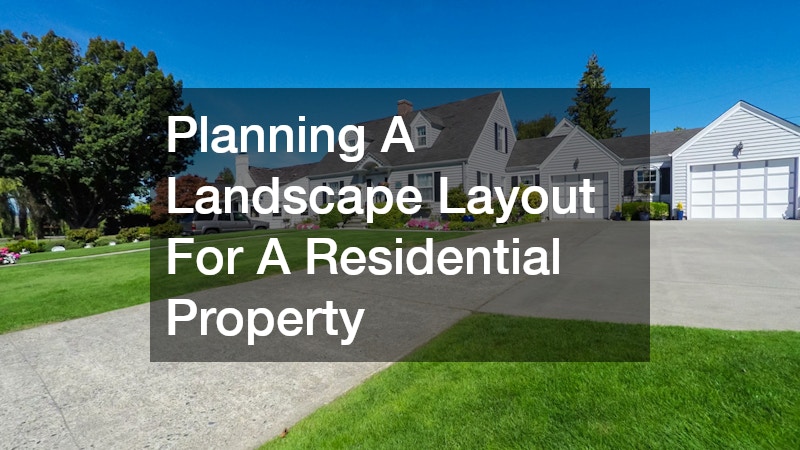
This introductory section will provide an overview of the importance and benefits of planning a landscape layout for residential properties, including effectively collaborating with a local home remodeler or home remodeling company. A well-thought-out landscape layout can significantly enhance curb appeal, increase property value, and create inviting outdoor living spaces. Collaborating with reliable pool contractors and general contracting experts can ensure all features harmonize seamlessly.
1. Where to Begin with Your Landscape Design?
1.1 Assessing Your Current Space
When starting with your 0 design, the first step is to assess your current space to understand its limitations and potentials. It’s crucial to consider elements like existing trees, water well drill sites, and hardscape features that may influence your design. Hiring an electrical contractor might also be necessary to verify existing lighting and ensure it meets your new plans.
Using the services of a local home remodeler can help identify strengths and weaknesses in your current setup. Assessing sun and shade patterns, soil conditions, and drainage will guide your landscape design choices. Understanding these elements is vital for mitigating any future issues and ensuring your layout remains sustainable.
Engaging with services like concrete raising can address leveling issues in existing hardscapes like patios and driveways. A general contracting professional can provide invaluable insight into structural integrity, which is crucial for the success of your landscape design. Ensuring a seamless transition from one space to another will contribute to a more cohesive outdoor environment.
1.2 Setting Goals for Your Landscape
Setting clear goals for your landscape design will ensure that the final outcome aligns with your vision and practical needs. Consider aspects like how you intend to use your space, whether for entertaining, relaxation, or growing a variety of plants. Your goals should dictate the placement of major elements like patios, lawns, and flower beds.
Incorporating features such as pool renovation can transform your backyard into a luxury retreat. Planning with pool contractors early on helps to integrate the pool seamlessly into your landscape. Defining the ideal ambiance, whether it be a tranquil oasis or a bustling family space, will direct your landscape design choices.
Engaging in general contracting services helps refine these goals into actionable steps. Ensure your goals also account for long-term maintenance needs, including lawn maintenance and tree trimming. Sustaining your landscape’s health and beauty will depend significantly on these initial plans.
1.3 Understanding Sun and Shade Patterns
An integral part of 0 involves understanding how sun and shade patterns affect your landscape throughout the year. This knowledge helps in placing plants and structures in such a way that they thrive under optimal conditions. For example, sun-loving plants should be positioned where they receive maximum light exposure, as advised by skilled landscape architects or local home remodelers.
Shade patterns can influence the positioning of patios, lawns, and water features, such as when planning a pool renovation. These elements must be situated to maximize comfort during hot summer months, while simultaneously ensuring efficient energy use for heating or cooling needs. Understanding these patterns can lead to significant energy savings, enhanced by technologies like energy-efficient lighting solutions.
Furthermore, sun and shade evaluations help address potential issues related to water well drill placement or soil erosion that may arise from improper water management. It becomes crucial to integrate suitable irrigation systems that align with these patterns for efficient water use. Collaborate with knowledgeable pool contractors or general contracting teams to incorporate these systems seamlessly.
2. How to Determine Your Landscaping Budget?
2.1 Estimating Costs for Various Elements
Estimating costs for various landscaping elements is essential in forming a realistic budget for your project. Begin by listing all desired features, such as pathways, patios, fences, and plantings, including special considerations like pool renovation or water well drill installations. Consult with a general contracting or home remodeling company to get accurate estimates for these additions.
Next, consider the costs associated with hiring professionals such as pool contractors, electrical contractors, or concrete raising experts. Gathering multiple quotes will provide a comprehensive understanding of potential expenses and help you prioritize your must-have elements. Budgeting comprehensively will prevent unforeseen financial challenges later in the project.
Also, factor in ongoing costs associated with maintenance services like lawn maintenance or tree trimming. Determining efficiencies in these areas can save money, especially when leveraging technology or energy-efficient solutions. Including these future expenditures in your budget ensures financial stability and the sustained viability of your landscape design.
2.2 Prioritizing Different Landscape Features
Prioritizing different elements of your landscape will guide your decision-making process when confronted with budget constraints or site limitations. Begin by identifying which features are non-negotiable, like essential pathways or necessary utility areas. Pool renovation or large structural elements may take precedence, requiring collaboration with pool contractors or general contracting services.
Your priorities should align with your overall 0 goals and how you envision using your outdoor space. Elements that enhance function or aesthetics, like energy-efficient lighting or strategic tree trimming, may also warrant focus. Decide on additions that will offer the greatest benefit in terms of property value and personal enjoyment.
List secondary features that can be added as your budget allows, potentially leveraging discounts or deals from a home remodeling company. Creative planning and prioritizing will enable you to gradually build your ideal space without compromising essential elements. This strategic approach provides flexibility and room for growth in your landscape design.
2.3 DIY vs. Hiring Professionals
Deciding between DIY landscaping and hiring professionals involves weighing potential cost savings against the benefits of professional expertise. DIY allows for personal expression and can significantly reduce project costs by eliminating labor fees. However, complex tasks like pool renovation or water well drill operations often require skilled intervention.
Hiring professionals such as those from a trusted home remodeling company ensures high-quality results and adherence to safety standards. A general contracting professional can navigate regulatory requirements, ensuring your landscape modifications comply with local codes. Professionals may offer insights into opportunities for energy efficiency and sustainable practices that aren’t immediately apparent to DIYers.
Ultimately, your choice will depend on the complexity of your project and your confidence in handling intricate elements. For endeavors requiring efforts like concrete raising or significant soil work, engaging skilled experts guarantees durability and a refined finish. Balancing these factors will guide an informed decision that aligns best with your landscape aspirations.
3. What Are the Best Plants for Your Climate Zone?

3.1 Identifying Your Climate Zone
Identifying your regional climate zone is crucial for selecting plants that will flourish within your landscape. Understanding temperature ranges, precipitation levels, and seasonal patterns are key components when planning your 0 project. Local extension services and online resources can provide accurate climate zone data critical for planning plant selections.
Use this information to make informed choices, avoiding plants unsuitable for your zone and thus reducing the likelihood of plant stress or failure. Climate-appropriate plants ensure durability, require less water, and minimize the need for interventions like intensive irrigation, ensuring a spacious balance in various landscaping areas. This approach aligns with principles of sustainability advocated by responsible home remodelers and general contracting entities.
Collaborate with nursery experts, landscape architects, or pool contractors familiar with your climate. Their specialized knowledge ensures the integration of native species, which will contribute to sustainability, reduce maintenance, and enhance local biodiversity. This informed strategy supports the aesthetic and ecological goals of your landscape.
3.2 Choosing Native Plants
Incorporating native plants into your landscape design offers numerous aesthetic and ecologic benefits. Native species are adapted to local environmental conditions, proving more resistant to pests, diseases, and fluctuations in weather. Reduced reliance on chemical inputs aligns with eco-friendly practices, proving economically viable options in your budget.
Native plants often require minimal intervention, making them logical choices when water conservation is a priority. Efficient water use strategies involving native plants complements energy-efficient options such as smart irrigation systems encouraged by advanced landscape design practices. These selections ensure a visually appealing layout resilient over time.
Collaborating with knowledgeable plant specialists or a local home remodeling company familiar with regional flora can intensify these benefits. Their insights into plant combinations will maximize growth and harmony in your outdoor area. This strategic selection fosters a thriving ecosystem that seamlessly integrates with your home.
3.3 Balancing Aesthetics with Practicality
Balancing aesthetics with practicality is essential when selecting plants for your landscape. Ensure that each component provides functional benefits, potentially enhancing privacy, noise reduction, or air filtration. Vibrant or flowering plants contribute to visual interest and variety, while evergreens promise year-round appeal and structure in your layout.
Practical considerations must include the plant’s growth habits, mature size, and likely maintenance needs—elements frequently overlooked by homeowners. Engage a general contracting professional or home remodeling company to mitigate challenges arising from misjudged plant sizes or placement. Strategic planning prevents repair scenarios later in time, averting unnecessary stress.
Invest in low-maintenance varieties to alleviate future landscaping demands. Enlist the expertise of landscaping or pool contractors skilled in creating harmonious compositions that marry aesthetic desires with functional realities. The resultant spaces will support a lifetime of enjoyment, aligning physical allure with practical functionality.
4. How to Create a Functional Layout?
4.1 Zoning Your Landscape
Zoning your landscape into distinct areas provides refined structure and functionality to your outdoor environment. Divide spaces for specific uses, such as dining, relaxing, playing, or gardening, ensuring each serves its purpose effectively. This practice harnesses the coordinated power of your area, utilizing every square inch gainfully.
Incorporate auxiliary zones, such as utility areas for equipment or storage, into your planning. Consider how features like a shed, pool, or water well drill site will impact flow and accessibility. Partner with professional pool contractors or a home remodeling company to ensure zones are logically connected and enhance overall landscape dynamics.
Structuring the layout minimizes conflicts, providing clearer paths of access and yielding greater functionality. This segmentation allows for personalized design solutions, tailored explicitly to usage needs. By prioritizing user-friendliness, landscapes foster improved enjoyment and value, increasing your property’s adaptability to changing circumstances.
4.2 Creating Flow Between Spaces
Creating seamless flow between spaces is pivotal to ensure functionality and enjoyment in your landscape. Employ pathways that guide movement fluidly from one part of your property to another. Strategic features such as stepping stones, garden paths, and designated walkways circumscribe travel efficiently and visually connect each area of interest.
Ensure that transitional areas wend naturally while accommodating outdoor furniture, plants, and structures. Partner with concrete raising experts to address uneven paths or create sturdy walkways that endure over time without becoming obstructions. Working with local home remodeling companies further integrates key feature setups in transitional spaces.
Design balanced transitions that eliminate congestion, especially in activity-heavy areas like patios or pool surroundings. Skilled landscaping professionals or pool contractors contribute a keen eye for ergonomic design and landscaping efficiency, ensuring a flowing, cohesive pattern throughout your outdoor domain. Success in this arena complements indoor aesthetics, maximizing spatial value.
4.3 Incorporating Utility Areas
Efficiently incorporating utility areas within your landscape is essential for your functional layout. Invest in space for storage necessities like tools, gardening supplies, pool equipment, or water well drill components. These areas should be accessible, aesthetically hidden, and without interfering with your landscape’s pleasure or spacing balance.
Planned utility areas reduce clutter and enhance the landscape’s tidiness, aiding in sustaining a well-organized appearance. Work with general contracting services to ensure structures such as sheds or equipment storage meet zoning and safety guidelines. This care assures these provisions align seamlessly with overarching design preferences.
Utility areas must consider both form and function and integrate into the overall landscape plan with as little disruption as possible. Prioritize innovative storage solutions like multi-functional spaces, cleverly concealed bins, or retractable structures when achieving fluidity in design. A collaborative residential approach with harmonized aesthetics transforms support spaces into essential landscape elements.
5. What Are The Key Environmental Considerations?

5.1 Water Conservation Techniques
Incorporating water conservation techniques within your 0 strategy is fundamental for eco-responsible landscaping. Use mulch and compost to enhance soil moisture retention, reducing watering frequency. Advanced irrigation systems, such as smart irrigation and drip methods, ensure targeted water delivery and minimize waste.
Implementing rainwater harvesting systems capitalizes on natural precipitation, lessening dependence on municipal supplies. Professional pool contractors or general contracting companies can integrate these systems seamlessly into your design for optimum efficiency and sustainability. Sustainable resource management supports balanced environmental responsibility, reflected through cost-effective water solutions.
Native or drought-tolerant plants also promote conservation by requiring less frequent watering, fulfilling aesthetic goals and serving as functional applications. Collaboration with knowledgeable horticulturists or local home remodeling companies would ensure plant species align poignantly with 0 principles. Striking the right balance assures enjoyable landscapes without environmental compromise.
5.2 Soil Health and Sustainability
Soil health plays a pivotal role in successful landscaping efforts, enhancing plant growth and contributing to long-term sustainability. Regularly assess soil quality, ensuring optimal nutrient levels and favorable texture. Incorporate organic matter or natural fertilizers that promote plant health, supporting the broader 0 strategy while protecting local environments.
Consider collaborating with professional landscapers or general contracting experts to evaluate existing soil conditions effectively. Employ mulch for pertinent functions such as temperature moderation, erosion prevention, or soil enrichment. Such methods extend the life of installed plants, aligning with eco-friendly designs that harness resiliency and robustness.
A sustainable approach prioritizes soil-friendly practices, like no-till or low-impact gardening, minimizing structural damage and preserving essential microorganisms. These efforts aid biodiversity, supporting balanced ecosystems for generational vitality. Expert intervention from concrete raising or ground preparation specialists ensures landscape texture remains even and balanced for optimal aesthetics and performance.
5.3 Encouraging Biodiversity
Promoting biodiversity strengthens your landscape’s ecological integrity and promotes a healthier environment. Encourage diverse plantings which support a multitude of species, fostering higher tolerance against pests, diseases, and environmental stresses. Contributing positively to preserving the planet’s biological spectrum ensures a balanced, enjoyable garden experience.
Combining strategic plant varieties improves pollination, drawing in beneficial insects like bees and butterflies critical to the ecological cycle. Native plants form the backbone of these efforts, harmonizing with endemic wildlife and encouraging broader ecological integration. Recognizing this symbiosis, partner with a home remodeling company that values and appreciates biodiversity’s significance in landscaping.
Biodiversity reduces environmental strain, supporting oxygen exchange, carbon sequestration, and inadvertent air purification. With aid from professional landscape architects or nursery experts, their specialized knowledge helps craft innovative design solutions prioritizing regional flora. Advocating richness and diversity, your 0 embodies resilience, vibrancy, and entices biological harmony.
6. How to Select the Right Hardscape Features?
6.1 Assessing Material Options
Selecting the appropriate hardscape materials for your landscape reflects aesthetic aspirations and addresses site-specific practicalities. Consider multiple factors such as local climate, location-specific needs, and envisioned landscape layout when making your decision. Material durability, style, and maintenance considerations strongly inform choice decisions.
Pavers, bricks, concrete, and stone each present various benefits related to appearance, temperature regulation, or long-term wear. Engage concrete raising professionals or home remodeling specialists to explore materials aligning aptly with intended use and surroundings. The chosen material should complement and enhance the natural environment, fostering unity throughout external spaces.
Material choices contribute considerably to environmental impact, necessitating sustainable selections for eco-conscious 0 realization. Responsible actions include utilizing locally-sourced products, reducing transportation emissions, or salvaging existing materials. Aligning hardscape designs with global sustainability ethos permits conscientious landscaping growth, nurturing ecological health harmoniously.
6.2 Planning Pathways and Patios
Careful planning of pathways and patios ensures ample accessibility and maximizes area usage within your landscape. Strategically consider placement, dimensions, and balance of primary traffic routes, safeguarding convenience alongside adaptability. Pathway design complements low-maintenance strategies, enhancing the landscape’s flow and usability.
Patios evolve as focal points, hosting gatherings, relaxation, or dining experiences framed by functional architecture. Hiring talented general contracting services or home remodelers optimizes layout geometry, achieving optimal use proportions. When arranged harmoniously with surrounding features, let’s pathway and patio areas shine, benefitting overall presentation and occupant satisfaction.
Work with concrete raising specialists to ensure structural integrity and longevity in your pathways and patios. Address existing issues like uneven paving stones or lifting surfaces proactively, averting potential hazards. Ultimately, site cohesion ensures ideal landscape unity, infusing inclusive design principles through professional collaborations.
6.3 Integrating Edging and Retaining Walls
Integrating edging and retaining walls represents a fundamental step in forming a cohesive landscape composition, stabilizing lopsided terrains. Retaining walls offer crucial support, facilitating land elevation adjustments or drainage improvement services while maintaining structural integrity. Edging defines boundaries, framing landscape segments with aesthetic precision.
Choosing complementary materials, design styles, or finishes extends visual consistency within your primary layout. Assemble partnerships with skilled professionals or general contracting specialists when considering size and scope of required installations. Their guidance ensures designs exceed aesthetic thresholds and satisfy coordination accuracy questions, endorsing superior execution.
Concrete raising practices help stabilize subsiding areas, reducing retaining wall stress and preserving garden vistas. Engage meticulous planning strategies to counter potential concerns during initial landscaping phases. Sturdy yet elegant, retaining walls enrich visual dimensions and build cohesion, achieving flawless landscape symmetry and performance.
7. How to Design for Year-Round Interest?
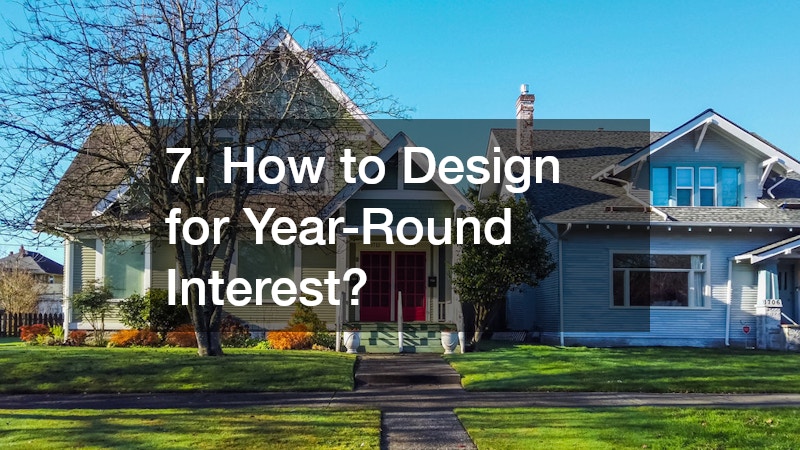
7.1 Selecting Seasonal Plants
Designing for year-round interest necessitates careful selection of plants that offer seasonal appeal and variety. Choose plant varieties that bloom or display foliage at different times, ensuring vibrancy through annual transitions. Ensuing pockets of color and habit formations enhance your landscape, merging attractive visuals with continuous allure.
Balance selections by integrating specimens with similar growth paces compatible with your surroundings, maximizing efficiency, beauty, and ease of integration. Collaborate with local home remodelers or reputable nursery professionals ensuring sketches align seamlessly with annual bloom calendars. Plant combinations, thus carefully orchestrated, achieve show-stopping presentations forming organic flow across properties.
Plants providing fragrance, texture, or simply bursting with radiant vibrancy elevate everyday scenes into extraordinary encounters. Each addition promotes ecological equilibrium while cultivating visual intrigue catering to residents and guests alike. Budgetary feasibility and environmental sensitivity yield harmonious projections justified
Planning a landscape layout for a residential property sets the foundation for a yard that looks cohesive, functions well, and grows successfully over time. By considering factors like space usage, sunlight, drainage, and long-term maintenance, homeowners can create an outdoor environment that supports both everyday living and future improvements. A thoughtful layout not only improves visual appeal but also makes ongoing care more manageable, allowing the landscape to evolve alongside the needs of the home and the people who live there.