A yard rarely falls apart overnight. More often, problems build quietly—water collects where it shouldn’t, soil shifts a little each season, and materials slowly weaken under stress. What begins as a minor annoyance can evolve into a safety hazard or a costly repair if it’s ignored long enough.
Think about a homeowner who notices a soft, soggy patch in the yard after heavy rain. At first, it seems harmless—just an inconvenience when mowing. A few months later, that same area begins to sink slightly, and nearby pavers start to tilt. What seemed minor is now affecting both usability and safety.
Homeowners often try to manage these issues themselves, and in many cases, that works. But there’s a point where experience, tools, and technical knowledge make a real difference. Knowing when to step back and bring in expert help can save time, money, and frustration.
Another challenge is that yard problems rarely stay contained. A drainage issue can impact soil stability, which then affects nearby structures or installations. What starts as one small issue can quietly trigger a chain reaction across your property.
This guide walks through the most common yard issues that signal something deeper is going on—and what to do about them before they escalate.
Understanding Structural Changes Beneath the Surface
You might not notice shifting soil right away, but your yard often leaves clues. Uneven patches of grass, slight dips near walkways, or cracks forming in outdoor surfaces can all point to movement below ground.
Sometimes, the signs show up closer to the home. Doors that suddenly stick or exterior cracks that seem to widen over time are often tied to what’s happening in the soil. Water pooling near the home after rain is another red flag that shouldn’t be ignored.
Soil naturally expands when wet and contracts when dry. In areas with inconsistent drainage, this cycle becomes exaggerated. Over time, that movement places stress on anything built above it. A homeowner might notice a slightly uneven patio one year, then find it significantly sloped the next.
In more severe cases, these issues lead to structural concerns that require foundation repair. What makes this tricky is that the visible issue—like a crack or slope—is rarely the true source of the problem.
When the issue goes deeper than the surface, a trained excavation contractor can assess what’s happening below ground. They use specialized tools to evaluate soil composition, drainage patterns, and grading. From there, solutions might include regrading the yard, stabilizing soil, or installing drainage systems.
It’s also worth noting that climate plays a role. Extended dry periods followed by heavy rain can accelerate soil movement dramatically. Addressing the root cause early prevents the kind of compounding damage that becomes far more expensive over time.
Evaluating Fence Damage That Signals Larger Concerns
A fence that leans slightly or has a loose board might seem like a quick fix. But when multiple sections begin to tilt, or posts shift in the ground, it often points to deeper issues.
For example, if your fence line starts to wave instead of running straight, it could mean the soil beneath the posts is no longer stable. In some cases, water runoff gradually erodes the base, weakening support over time. In others, the original installation may not have accounted for soil conditions.
This is where a fence company can provide valuable insight. Rather than simply replacing a damaged section, they can evaluate why the issue developed in the first place.
It’s tempting to patch a problem—tighten a screw, replace a panel, or brace a leaning post. But these quick fixes don’t always address the underlying issue. A professional fence repair assessment can determine whether posts need to be reset, reinforced, or completely replaced.
There’s also a long-term perspective to consider. Materials that work well in one type of soil may fail quickly in another. Moisture levels, temperature changes, and even nearby landscaping can all influence how well a fence holds up.
For instance, a homeowner might replace the same section of fence every few years without realizing the soil beneath is the real issue. Taking the time to address the full problem—not just the visible damage—leads to a more stable and longer-lasting solution.
Managing Tree Hazards Before They Become Emergencies
Trees add beauty and shade, but they can also pose serious risks when they begin to fail. The challenge is that problems aren’t always obvious at first glance.
A tree might still have leaves and appear healthy, yet be structurally compromised. Internal decay, root damage, or stress from previous storms can weaken it from the inside out.
Some early warning signs include dead branches, visible cracks in the trunk, or a noticeable lean that wasn’t there before. Even subtle changes—like thinning foliage or exposed roots—can indicate trouble.
Tree roots are especially important. When they’re damaged or begin to fail, the entire structure becomes unstable. You might notice nearby surfaces lifting or soil shifting around the base. These are signs that the tree is no longer anchored as it should be.
In these situations, tree removal may be the safest option. While it’s often a last resort, removing a hazardous tree before it falls can prevent damage to structures, vehicles, or neighboring properties.
It’s also important to consider proximity. Trees growing too close to homes, fences, or utility lines present higher risks, especially during storms. Regular inspections help identify these risks early.
Beyond removal, professionals can also recommend preventative care strategies. Regular inspections, proper trimming, and monitoring tree health can extend lifespan while reducing risk.
Addressing Water Supply and Drainage Challenges
Water is one of the most influential factors in yard health, yet it’s often overlooked until something goes wrong. When the water supply becomes inconsistent, it affects everything—from plant growth to soil stability.
You might notice dry patches that persist despite watering or areas that remain soggy long after rain. These inconsistencies often point to deeper issues within the water system.
In some cases, the problem isn’t distribution—it’s access. Properties that rely on groundwater may experience fluctuations due to seasonal changes or increased demand. When that happens, well drilling can become a necessary step to restore reliability.
A dependable water source supports not only landscaping but also the overall balance of the yard. Without it, soil can dry out and shift, plants can struggle, and other systems may be affected.
Another common issue is poor drainage. Water that doesn’t flow away properly can collect around structures, weakening foundations and creating long-term instability.
Planning for long-term water reliability involves more than just solving the immediate issue. It requires understanding how water moves through your property and ensuring that supply meets demand year-round.
Professionals can evaluate conditions, recommend solutions, and design systems that support both efficiency and sustainability.
Improving Access Points and Entryway Functionality
Gates are one of the most frequently used features in a yard, which makes them especially vulnerable to wear. Over time, repeated use, weather exposure, and shifting ground can all take a toll.
A gate that once opened smoothly may begin to drag, stick, or misalign. Small issues like these often worsen quickly if left unaddressed.
The root cause is often structural. Posts may shift due to soil movement, hinges can weaken under constant strain, and materials may warp with exposure to moisture and temperature changes.
Professional gate installation focuses on preventing these issues from the start. Proper depth, alignment, and material selection all contribute to long-term performance.
There’s also an opportunity to improve functionality. Modern systems can include automated openers, enhanced locking mechanisms, and features designed to improve safety for families with children or pets.
For example, a soft-close mechanism or reinforced latch can significantly reduce wear over time while improving ease of use. Addressing both performance and convenience ensures that your entry points remain reliable and secure.
Repairing Hardscape Features That Show Structural Wear
Hardscape elements like patios, walkways, and retaining walls are built to last, but they’re not immune to damage. Over time, exposure to weather and shifting ground can cause cracks, uneven surfaces, and other issues.
At first, these changes may seem minor. A small crack in a walkway or slight settling in a patio might not feel urgent. But these are often early signs of larger structural concerns.
Moisture plays a major role. Water that seeps beneath surfaces can weaken the base, leading to movement and instability. Freeze-thaw cycles can make this even worse, expanding cracks and accelerating damage.
A masonry contractor can evaluate whether the issue is surface-level or something deeper. In some cases, sealing or reinforcing the area is enough. In others, rebuilding may be necessary to ensure long-term stability.
Ignoring these issues can also create safety concerns. Uneven surfaces increase the risk of trips and falls, especially in high-traffic areas.
Timing matters here. Addressing damage early not only reduces costs but also preserves the integrity of surrounding structures.
Handling Pool Issues That Extend Beyond the Surface
Pools are complex systems, and when something goes wrong, the effects often extend beyond what you can see. A small crack or leak might seem manageable, but water has a way of amplifying problems over time.
For example, a slow leak can gradually erode the soil beneath and around the pool. This can lead to uneven settling, which affects both the pool structure and nearby features.
Signs of trouble include water levels dropping faster than expected, cracks that continue to spread, or equipment that seems to be working harder than usual.
Addressing these issues early through proper pool repair can prevent more extensive damage. It’s not just about fixing the pool itself—it’s about protecting the surrounding yard as well.
Regular monitoring is key. Even small fluctuations in water levels or pressure can signal a developing issue. Catching these early makes repairs far more manageable.
Routine maintenance plays a key role here. Regular inspections, cleaning, and monitoring help catch small issues before they become major concerns.
Protecting Outdoor Surfaces From Long-Term Wear
Outdoor surfaces face constant exposure to the elements. Sunlight fades materials, moisture seeps into cracks, and temperature changes cause expansion and contraction.
Over time, these forces weaken surfaces that once seemed durable. Paint begins to peel, wood starts to rot, and metal develops corrosion.
This is where a proactive approach makes a difference. A skilled exterior painting company can apply protective coatings that shield surfaces from environmental damage.
These coatings do more than improve appearance—they extend the life of the material beneath. Without them, even well-built structures can deteriorate faster than expected.
In coastal or humid environments, this protection becomes even more critical. Salt air and high moisture levels can accelerate wear significantly.
Establishing a maintenance routine helps ensure that protection remains effective. Periodic inspections, timely repainting, and addressing small issues early all contribute to long-term durability.
Coordinating Multiple Yard Repairs Without Overwhelm
Yard problems rarely exist in isolation. A drainage issue can affect your fence, which in turn may impact nearby structures. Tree roots can interfere with underground systems, and water problems can weaken multiple areas at once.
Because of this, tackling issues one at a time without a broader plan can lead to repeated work or conflicting repairs.
A more effective approach is to prioritize strategically. Start with safety concerns, then address issues that could worsen quickly, and finally plan for long-term improvements.
In many cases, coordinating between specialists is essential. For example, an excavation contractor may need to stabilize soil before a fence company installs new posts. Without coordination, one repair could undo another.
Homeowners who take a phased approach often see better results. Breaking projects into manageable steps makes the process less overwhelming while still moving toward a long-term solution.
Clear communication and a well-thought-out plan help ensure that each step supports the next. This not only saves time and money but also leads to more durable results.
Taking a Proactive Approach to Yard Care
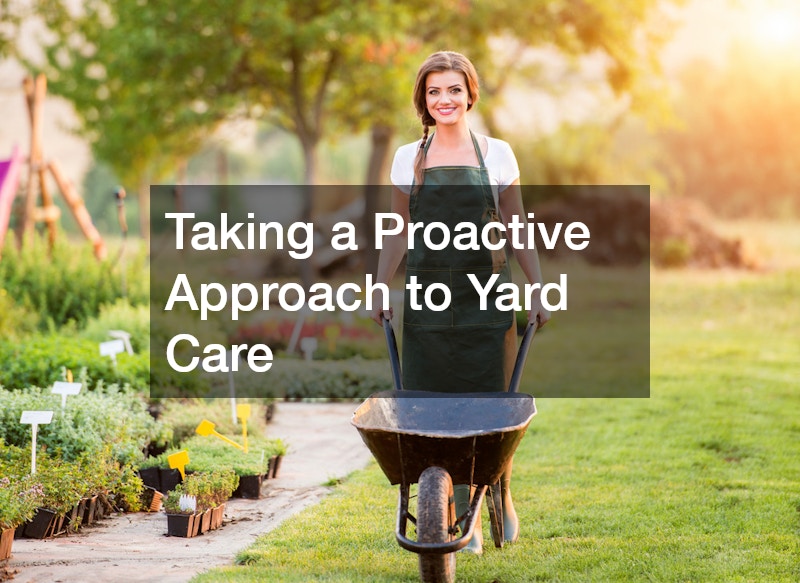
A well-maintained yard doesn’t just look good—it functions safely and efficiently. The key is recognizing when a problem goes beyond surface-level and requires professional insight.
By paying attention to early warning signs and addressing issues before they escalate, you can protect your investment, avoid unnecessary stress, and create an outdoor space that stands the test of time.