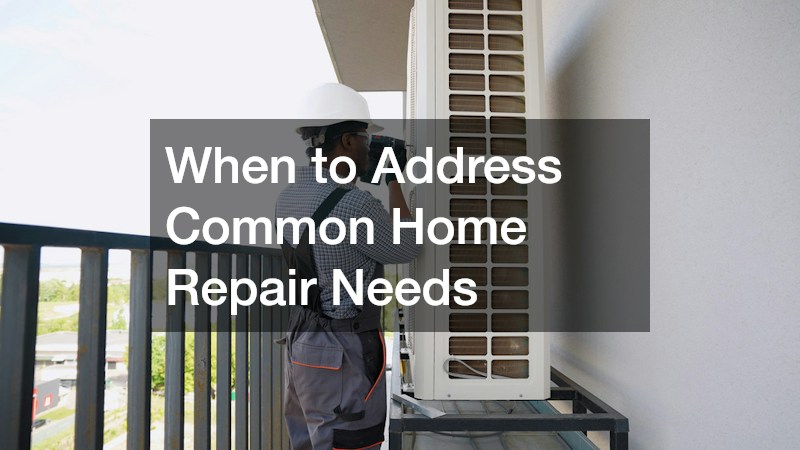
Owning a home comes with ongoing responsibilities, including keeping important systems and structural components in good condition. Some repair needs are easy to spot, such as a dripping faucet, a damaged shingle, or an air conditioner that stops cooling. Other problems can develop gradually and remain unnoticed until they begin affecting comfort, safety, or other parts of the property. Knowing when to address common repair concerns can help homeowners respond before a minor issue develops into a more extensive problem.
Homeowners don’t necessarily need to wait for a major failure before arranging an inspection or repair. Unusual sounds, changes in performance, visible damage, recurring problems, and signs of moisture can all indicate that something needs attention. Responding to these warning signs can help limit the scope of a repair and protect surrounding materials.
Address Leaks and Water Line Problems Early

Plumbing problems can begin with relatively minor symptoms. A faucet that drips after being turned off, a toilet that continues running, or a drain that empties slowly might seem like inconveniences rather than urgent concerns. However, recurring plumbing issues can indicate a larger problem within the system. Homeowners who notice persistent leaks, water stains, damp areas, or unexplained changes in water pressure should consider having the issue evaluated.
Professional plumbers can inspect fixtures, pipes, connections, and other components to identify the source of a problem. This can be particularly important when the location of a leak isn’t immediately obvious. Water can travel through walls, ceilings, floors, and cabinets, meaning the visible evidence isn’t always located directly next to the damaged pipe or fitting.
Some warning signs deserve prompt attention. A sudden drop in water pressure, discolored water, unusually high water bills, or water accumulating around appliances can point to an issue that needs investigation. Problems involving supply lines or concealed plumbing can cause substantial damage if water continues to escape into surrounding materials.
Homeowners should also pay attention to recurring drain problems. Repeated clogs may indicate more than a single obstruction. If multiple fixtures drain slowly or backups occur in different areas of the house, professional evaluation can help determine whether the issue involves a larger portion of the plumbing system.
Keep Your Plumbing System Running Smoothly
Routine maintenance can help identify plumbing concerns before they become disruptive. A plumbing service can address problems ranging from leaking fixtures and clogged drains to damaged pipes and other system components. Scheduling service when a problem first appears can help homeowners avoid waiting until a fixture stops working completely.
Plumbing maintenance is also useful after noticeable changes in household water use. For example, a home addition, bathroom renovation, or installation of new water-using appliances can change how the plumbing system is used. Older components may also require more frequent attention as materials, connections, and fixtures experience normal wear.
Homeowners should watch for signs that fixtures aren’t operating as they should. A toilet that frequently clogs, a faucet with inconsistent water flow, or a shower that loses pressure can indicate a problem that deserves attention. Even when the fixture remains usable, repeated issues can become increasingly inconvenient and could signal an underlying concern.
Another reason to address plumbing issues promptly is the potential for moisture-related damage. Water that reaches cabinetry, flooring, drywall, insulation, or other materials can create additional repair needs. A timely response can help limit how long moisture remains in affected areas.
Preventive inspections can also be useful for properties with older plumbing components. A professional can examine accessible parts of the system and identify visible deterioration or other concerns. Addressing smaller issues during routine maintenance may be more manageable than waiting for a sudden failure.
Get Help With Larger Plumbing Projects
Some plumbing projects extend beyond a simple fixture repair. Replacing damaged sections of piping, installing new plumbing during a renovation, relocating fixtures, or addressing extensive drainage problems can require careful planning. These projects can affect multiple parts of a home and should be approached with the appropriate knowledge and equipment.
A plumbing contractor can evaluate the scope of a larger project and determine what work is needed. This can include reviewing existing plumbing, identifying access requirements, selecting appropriate materials, and coordinating work with other renovations. A thorough evaluation can also help homeowners understand which portions of the existing system need to be replaced and which can remain in service.
Homeowners should consider professional assistance when plumbing work involves concealed pipes, major alterations, or multiple connected fixtures. Larger projects can become more complicated when pipes are located behind walls or beneath floors. Accessing these areas may also affect other building materials, so planning matters.
Professional help can be particularly important when a project involves a significant change to the home’s layout. Moving a kitchen sink, bathroom, laundry area, or other fixture may require modifications to supply and drainage lines. Addressing these requirements during the planning stage can help prevent unexpected complications later.
Protect Your Home From Roof Damage

The roof is one of the home’s primary defenses against rain, snow, wind, sunlight, and other outdoor conditions. Because it is constantly exposed to the elements, roofing materials can gradually deteriorate. Small signs of damage can become more significant when they aren’t addressed.
A roofer can inspect visible concerns such as missing or damaged shingles, deteriorated flashing, sagging areas, or signs of water intrusion. Homeowners should also pay attention to interior warning signs. Water stains on ceilings or walls, damp attic insulation, peeling paint, and unexplained moisture can indicate that water is entering somewhere above.
Roof problems can become more difficult to address when moisture reaches underlying materials. Water may affect decking, insulation, framing, drywall, or other portions of the structure. The longer an opening or damaged area remains exposed, the more opportunity there is for additional materials to become affected.
Homeowners should also inspect the roof after severe weather. High winds, hail, heavy rain, and falling branches can cause damage that isn’t always visible from the ground. Following significant weather events, a professional inspection can help identify concerns that might otherwise go unnoticed.
Age is another consideration. Roofing materials have different expected service lives, and older roofs can require closer monitoring. Even if there aren’t obvious leaks, deterioration can make the roof more vulnerable to future weather exposure.
Address Roofing Problems Before They Worsen
Not every roofing concern requires the same response. Some issues may involve a small damaged area, while others can affect a larger section of the roof. A roofing service can assess the condition of the affected area and determine an appropriate course of action.
Prompt attention is particularly important when a roof begins leaking. Water intrusion can worsen during subsequent rain or snow, especially if damaged materials aren’t protected. Even a small ceiling stain can indicate that moisture has traveled through several layers before becoming visible inside the home.
Other signs can also indicate that the roof needs attention. Granules collecting in gutters, cracked or curling shingles, damaged flashing, and exposed underlayment can all signal deterioration. Homeowners shouldn’t assume that a roof is in good condition simply because there isn’t an active leak.
Ventilation and drainage also contribute to roof performance. Clogged gutters and downspouts can interfere with water drainage, while inadequate attic ventilation can contribute to moisture and temperature-related concerns. Keeping related components maintained can support the overall condition of the roofing system.
A timely inspection can also help homeowners distinguish between localized repairs and broader concerns. If several areas show deterioration, addressing only the most visible problem may not resolve the underlying issue. A professional assessment provides more information before repair decisions are made.
Maintain Your Roof With Ongoing Care
Routine roof maintenance can help homeowners keep track of changing conditions over time. A roofing company can inspect roofing materials, flashing, drainage components, and other accessible areas for signs of wear or damage. Regular attention can be particularly useful for older homes or properties that experience frequent severe weather.
Maintenance doesn’t necessarily mean replacing roofing materials. In many cases, routine care involves identifying small concerns and addressing them before they contribute to more extensive damage. Replacing a damaged component or correcting a drainage issue can help preserve surrounding materials.
Gutters deserve attention as part of overall roof maintenance. Leaves, branches, and other debris can collect in gutters and prevent water from flowing properly. When water backs up, it can affect roofing edges, siding, fascia, and other nearby components.
Trees around the home can also affect roof maintenance. Overhanging branches may scrape against roofing materials or drop debris onto the roof. Keeping nearby vegetation properly maintained can reduce some sources of physical wear.
Documentation can be useful, too. Homeowners who keep track of inspections and repairs can more easily identify recurring concerns and understand how the roof has changed over time. This information can also be helpful when planning future maintenance or evaluating whether larger work might eventually be needed.
Resolve Heating and Cooling Problems
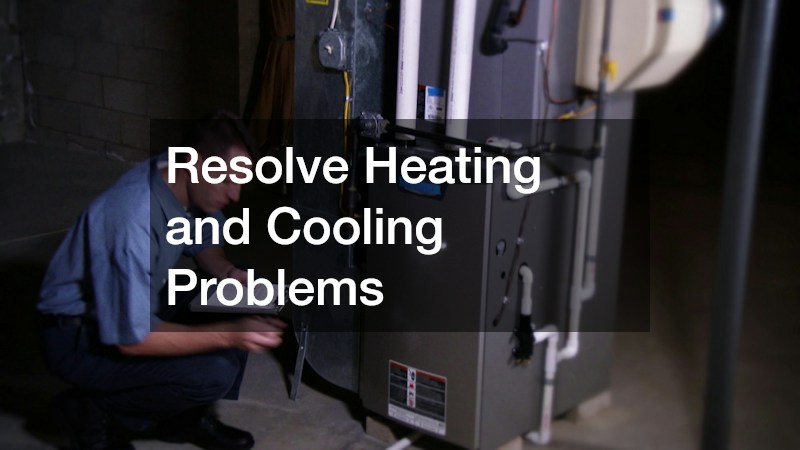
Heating and cooling equipment has a direct effect on indoor comfort, particularly during periods of extreme outdoor temperatures. When a furnace, air conditioner, heat pump, or other equipment begins performing differently, homeowners shouldn’t necessarily wait for a complete breakdown before investigating.
An HVAC contractor can evaluate equipment that produces unusual sounds, struggles to maintain the desired temperature, cycles frequently, or operates less efficiently than usual. These symptoms can have different causes, including worn components, airflow restrictions, electrical issues, or problems with the equipment itself.
Changes in comfort throughout the home can also provide useful clues. Rooms that suddenly become much warmer or cooler than others may indicate an airflow or equipment concern. Unusual odors or persistent noises can also warrant professional attention, particularly when they appear alongside performance changes.
Seasonal maintenance can help identify certain concerns before heating or cooling equipment is needed most. Having equipment checked before the start of a demanding season can give homeowners an opportunity to address problems rather than discovering them during a particularly hot or cold day.
Older equipment may also require closer monitoring. Frequent repairs, inconsistent performance, and declining efficiency can indicate that continued maintenance should be weighed alongside longer-term replacement planning. A professional evaluation can provide information about the condition of the system.
Keep Your Home Comfortable Year-Round
Consistent maintenance can help heating and cooling systems operate as intended throughout the year. HVAC services may include inspections, maintenance, repairs, airflow evaluations, and other work related to residential heating and cooling equipment.
Homeowners can also support system performance through routine household tasks. Replacing or cleaning air filters according to the manufacturer’s recommendations can help maintain airflow. Keeping supply and return vents unobstructed can also help conditioned air move throughout the home.
Changes in energy use can provide another reason to investigate HVAC performance. If heating or cooling costs increase without a clear change in usage, the system may warrant an inspection. Energy consumption can be affected by many factors, so an evaluation can help determine whether the equipment is contributing to the change.
Homeowners should also consider indoor comfort alongside equipment operation. A system that runs continuously but struggles to maintain the desired temperature may need attention even if it hasn’t stopped working. Addressing performance changes early can help prevent a minor concern from becoming a more disruptive breakdown.
Regular maintenance can also give homeowners a better picture of their equipment’s condition. Knowing when components were inspected or repaired can make it easier to plan future service and budget for eventual equipment replacement.
Repair Electrical Issues Safely
Electrical problems require careful attention because electrical systems can present serious safety concerns when components are damaged, overloaded, or improperly modified. Homeowners should avoid treating electrical problems as ordinary household maintenance when the cause isn’t clear.
Electrical repair may be appropriate when outlets stop working, switches behave inconsistently, breakers trip repeatedly, or lights flicker without an obvious explanation. Burning odors, buzzing sounds, scorch marks, warm outlets, or visible damage should receive prompt attention.
Repeated breaker trips deserve particular consideration. A breaker that trips once may respond to a temporary overload, but recurring trips can indicate an ongoing problem. Continually resetting the breaker without determining why it trips can leave the underlying issue unresolved.
Older homes may also have electrical components that require evaluation. Previous renovations, additions, or modifications can result in systems with different generations of wiring and equipment. A professional inspection can help identify visible concerns and determine whether additional work is needed.
Homeowners should also be cautious when using extension cords and power strips. These products can be useful for temporary needs, but excessive loads or inappropriate use can create safety concerns. If a household routinely needs extension cords because outlets aren’t conveniently located, discussing a more permanent solution with a qualified professional may be appropriate.
Keep Your Electrical System Working Reliably
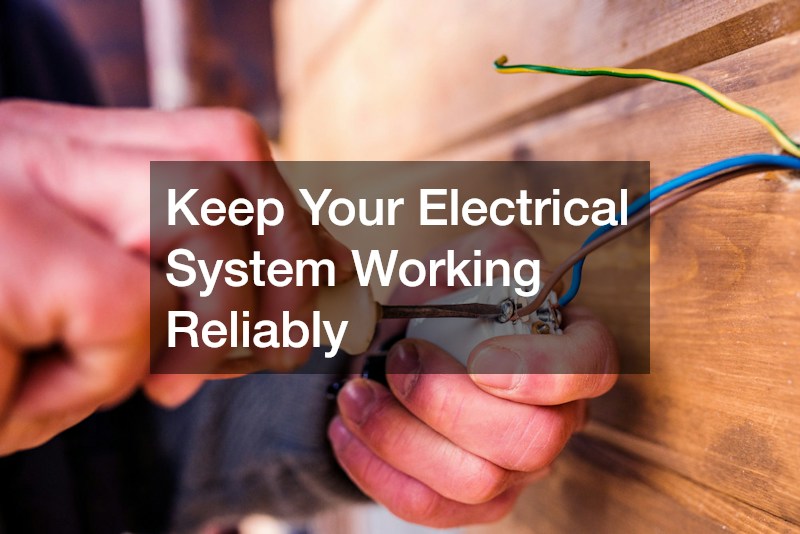
Routine attention to electrical systems can help homeowners identify concerns before they become disruptive. Electrical services can include troubleshooting, repairs, fixture work, outlet and switch replacement, and other tasks involving residential electrical components.
Homeowners should pay attention to changes in how electrical devices operate. Lights that dim when appliances turn on, outlets that feel warm, or switches that produce unusual sounds can all indicate that an inspection is appropriate. These symptoms shouldn’t simply be ignored because the affected device continues to function.
Electrical needs can also change after a home renovation. Adding appliances, lighting, entertainment equipment, or other electrical loads may require modifications to existing circuits. Planning electrical work alongside a renovation can help account for these needs rather than attempting to make changes after the project is complete.
Outdoor electrical components deserve attention as well. Exterior lighting, outlets, and other equipment are exposed to moisture and changing weather conditions. Damaged covers, loose fixtures, or malfunctioning outdoor components should be evaluated rather than left exposed to the elements.
Regular attention can also help homeowners identify aging components. Electrical systems don’t remain unchanged throughout a home’s lifespan, and repairs or additions made over the years can create a mixture of newer and older components. A professional assessment can provide useful information about the current condition of the system.
Home repair needs don’t always announce themselves with a dramatic failure. Many problems begin with subtle changes, such as a small water stain, a recurring drain issue, a damaged roofing component, unusual heating and cooling performance, or an electrical outlet that behaves differently than it once did. Paying attention to these signs can help homeowners respond while a problem is still manageable.
Homeowners can also keep records of repairs, inspections, and recurring problems. This information can make it easier to recognize patterns and plan future maintenance. By paying attention to warning signs and addressing repair needs in a timely manner, homeowners can support the comfort, function, and condition of their properties throughout the year.