
Every home has a silent operational baseline. It is the rhythmic hum of the climate control system, the predictable drop of wastewater down the main line, and the impenetrable shield of the exterior cladding keeping the wind and rain at bay. For many homeowners, these systems are entirely invisible until they fail. However, waiting for a catastrophic system failure before taking action is an incredibly expensive way to manage a property. Structural maintenance is not merely about preserving the aesthetic value of your real estate investment; it directly dictates the cleanliness of your indoor living environment, the quality of the air you breathe, and the monthly efficiency of your utility bills.
When a home’s exterior envelope compromises or its internal systems degrade, the consequences compound quickly. A minor gap in insulation does not just leak conditioned air; it introduces moisture that invites structural mold. A neglected drain line does not just slow down your evening routine; it builds hidden pressure that can cause hazardous backflow into your living spaces. Shifting from a reactive mindset to a proactive approach preserves your home’s core integrity and creates a healthier, more predictable environment for everyone inside. This comprehensive, zone-by-zone blueprint provides the exact, actionable steps needed to optimize your home’s infrastructure from the foundation to the highest peak of the roof.
Optimizing Your Shield Against Storms and Moisture

The exterior walls endure a constant assault from driving rain, intense sunlight, and shifting temperatures. When structural shifting or material degradation occurs, microscopic gaps allow moisture to settle behind the external barriers, creating a prime breeding ground for rot. To prevent this, implement a rigorous annual inspection and maintenance routine:
- Walk the perimeter of your property every spring, looking specifically for warping, buckled panels, or soft spots near the ground level.
- Clean the exterior surfaces using a low-pressure wash to remove accumulated pollen, dirt, and fungal spores without forcing water behind the seams.
- Inspect the caulking and flashing around window frames, door headers, and utility penetration points, replacing cracked sealant with high-grade exterior silicone.
- Clear away thick vegetation, climbing ivy, and soil mounds that rest directly against your foundation walls to minimize moisture retention.
- Seal any small foundational cracks with polyurethane injection foam to prevent subterranean pests and moisture intrusion.
If you discover widespread degradation, extensive rot, or panels that have completely detached from the substrate, it is time to consult a professional siding contractor to evaluate whether the underlying moisture barrier requires replacement before new exterior materials are installed.
Securing Overhead Protection and Weather Barriers
Your roof bears the brunt of every weather event, channeling thousands of gallons of water away from your living space over its lifespan. A single compromised shingle can allow water to seep into the roof decking, rotting the plywood and eventually dripping into your ceiling. Maintain this critical barrier with targeted, actionable upkeep:
- Use a pair of high-powered binoculars from the safety of the ground to check for missing, cracked, curling, or bald shingles after any severe wind or hailstorm.
- Clear heavy debris, such as fallen branches, leaves, and pine needles, from the valleys of the roof where water naturally aggregates and stalls.
- Clean your gutters at least twice a year—more frequently if your property is surrounded by mature trees—to ensure water flows smoothly to the downspouts rather than backing up under the roofline.
- Install high-quality gutter guards to block leaves and debris while maintaining maximum water intake during heavy downpours.
- Trim overhanging tree limbs back at least ten feet from the roofline to eliminate physical abrasion and rodent access points.
For steep slopes, structural sagging, or complex flashing repairs around chimneys, hiring experienced roofing contractors ensures the job is completed safely and in compliance with local building codes, preserving your roof’s warranty.
Minimizing Heat Transfer in the Upper Levels
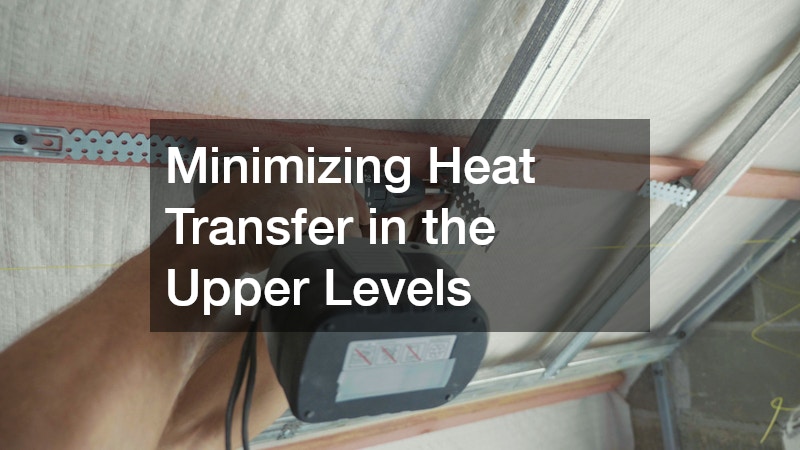
Heat naturally rises during the winter, and solar radiation bakes your roof during the summer. Your attic serves as the buffer zone between these forces and your living areas. If this boundary is poorly insulated or inadequately ventilated, your home experiences massive energy loss and uneven temperature zones:
- Measure the depth of your attic insulation with a standard ruler; if it sits below the top of the floor joists or is less than twelve inches deep, your home is actively leaking energy.
- Check the floor of the attic for shifting, compressed, or water-damaged material, as compressed insulation loses its ability to trap air pockets effectively.
- Ensure that your soffit vents and baffles are entirely clear of loose debris or stray insulation so that fresh air can circulate naturally, preventing attic heat build-up and winter ice dams.
- Seal any visible gaps around recessed lighting canisters, exhaust fans, and plumbing bypasses with expanding foam before adding new insulation layers.
- Inspect the perimeter of your attic hatch or pull-down stairs to verify that it is properly weather-stripped and prevents conditioned air from escaping.
When dealing with old, potentially hazardous materials like fiberglass or older rockwool, or if you want to transition to advanced blown-in or spray-foam options, partnering with a certified attic insulation company will ensure proper coverage without accidentally covering critical ventilation pathways.
Maintaining Seasonal Climate Systems for Peak Air Quality
Your heating and cooling systems do not just regulate temperature; they act as the lungs of your home, filtering out airborne particulates and controlling humidity levels. Neglecting these mechanical units forces them to consume significantly more power while cycling dust and allergens back into your rooms:
- Replace your HVAC air filters every thirty to ninety days, opting for a MERV rating that balances high-efficiency filtration with the specific airflow requirements of your system.
- Vacuum out your return air grilles and supply registers monthly to prevent dust bunnies and pet dander from being pulled deep into the ductwork.
- Clear away tall weeds, brush, leaves, and overhanging branches within a two-foot radius of your outdoor condenser unit to maintain unrestricted airflow.
- Pour a cup of distilled white vinegar down the condensate drain line every spring to prevent algae growth and expensive overflow blockages.
- Inspect visible ductwork sections in your basement or attic for loose joints or unsealed seams, securing them with specialized mastic duct sealant.
While basic cleaning and filter swaps are easily managed by the homeowner, complex mechanical issues or annual system tuning require specialized knowledge. Enlisting reliable ac repair services before the peak heat of summer arrives keeps your system from breaking down when you need it most. Furthermore, establishing a preventative maintenance contract with a licensed HVAC contractor ensures that your heat exchanger, electrical connections, and refrigerant levels are systematically verified for safe, long-term operation.
Keeping Wastewater Pathways Completely Unobstructed
The drainage system relies entirely on gravity and clear pathways to carry graywater and sewage out of your living space. Over time, hair, grease, soap scum, and organic debris build up along the inner walls of your pipes, narrowing the passage and creating foul odors:
- Avoid the use of harsh, chemical pour-in cleaners, which generate intense heat and chemical reactions that can melt PVC pipes or corrode older cast iron lines.
- Install high-quality mesh hair catchers in every shower and bathtub drain, cleaning them out after every single use to stop clogs before they enter the plumbing infrastructure.
- Flush your kitchen and bathroom drains weekly with a gallon of boiling water mixed with a cup of baking soda and vinegar to naturally dissolve clinging organic oils.
- Scour your garbage disposal monthly by grinding a tray of ice cubes mixed with rock salt and lemon peels to loosen caked-on food residues.
- Keep greasy cooking fats, coffee grounds, and fibrous foods out of your disposal entirely, discarding them instead in the trash or compost.
If you begin to notice gurgling sounds coming from your toilets when you run the wash, or if water begins backing up into your lowest shower basin, you likely need a professional drain cleaning to scour the lines and clear out stubborn roots or deep-seated blockages.
Preventing Costly Water Damage and Pressure Drops

Hidden plumbing leaks can quietly rot subfloors, ruin drywall, and ruin structural framing long before you ever see a pool of water on the floor. Managing your water pressure and monitoring your plumbing components protects your home from sudden, catastrophic water damage:
- Locate your main water shut-off valve immediately and ensure every adult in the household knows how to operate it in the event of a sudden pipe burst.
- Inspect the supply lines under every sink and behind your washing machine every six months, looking for signs of green corrosion on brass fittings or bubbling on flexible hoses.
- Test your sump pump every spring by pouring a five-gallon bucket of water directly into the pit to confirm that the float switch activates and the pump evacuates the water quickly.
- Install water leak detectors near high-risk appliances like water heaters, dishwashers, and washing machines to receive instant alerts for hidden moisture.
- Attach a temporary pressure gauge to an outside hose spigot to verify your home’s water pressure stays safely between 40 and 65 PSI.
For complex plumbing installations, retrofitting old galvanized pipes, or investigating mystery pressure drops across your fixtures, bringing in a licensed plumber prevents minor leaks from turning into structural disasters.
Upgrading Safety Standards and Load Capacities
An outdated or overloaded electrical system is a severe safety hazard that can result in hidden electrical fires behind your walls. As households plug in more high-draw electronics and appliances, maintaining the integrity of your wiring and breakers becomes critical:
- Test every Ground Fault Circuit Interrupter outlet in your kitchen, bathrooms, and garage monthly by pressing the test button to ensure it instantly cuts power.
- Label your main breaker panel clearly so that specific circuits can be isolated quickly during maintenance or emergency situations.
- Monitor your outlets for physical warning signs such as discoloration around the plug slots, walls that feel warm to the touch, or faint buzzing noises when appliances are active.
- Upgrade standard receptacles to tamper-resistant models in high-traffic areas to improve safety and internal physical contact durability.
- Unplug sensitive, valuable electronics during severe electrical storms to protect them from structural line surges that bypass standard strip protectors.
Because working with high-voltage systems carries significant risks of shock and fire, all major modifications, panel upgrades, and hidden wiring diagnostics should be handled exclusively by qualified electricians. Entrusting your home’s infrastructure to professional electrical services ensures that all modifications comply with the National Electrical Code and can handle your modern power demands safely.
Fortifying Heavy Moving Mechanisms and Perimeter Seals

The largest moving component of your home’s structure is often the entry point to your garage. This heavy assembly relies on perfect balance and intense spring tension to open and close smoothly. If it becomes misaligned, it strains the opener motor and leaves gaps that ruin your home’s insulation envelope:
- Lubricate the metal tracks, rollers, hinges, and torsion springs every six months using a dedicated silicone or lithium-based spray, avoiding thick grease that attracts dirt.
- Check the condition of the heavy rubber weatherstripping at the bottom of the door to ensure it forms an airtight seal against driving rain, cold drafts, and insects.
- Test the auto-reverse safety sensors monthly by placing a solid object, like a block of wood, in the door’s path to ensure it reverses direction instantly upon contact.
- Tighten all of the hardware, brackets, and structural bolts on the door panels and track system that naturally vibrate loose over time.
- Verify the mechanical balance of the door by pulling the emergency release cord and lifting it halfway manually; it should remain in place without falling or rising.
Because the high-tension springs store enough mechanical energy to cause severe physical injury if they snap, any spring replacement, track realignment, or cable repair must be directed to a professional garage door company with the proper safety tools and calibration equipment.
A clean, efficient, and structurally sound home is never the result of luck; it is the direct byproduct of deliberate, consistent maintenance. By breaking down your property into manageable zones—the exterior envelope, the climate core, the fluid pathways, and the power infrastructure—you can systematically eliminate vulnerabilities before they manifest as costly emergencies. Taking care of these elements preserves the financial value of your property while vastly improving your daily quality of life through lower utility expenses and cleaner indoor air.
Rather than letting this checklist overwhelm you, treat it as a rolling seasonal calendar. Tackle one or two small inspections every month, keep clean records of your home’s history, and build relationships with trusted professionals for tasks that exceed your personal toolset. Your home is the most important sanctuary you have. By investing a small amount of time and attention into its hidden framework today, you guarantee that it will continue to protect, shelter, and serve your family safely for decades to come.