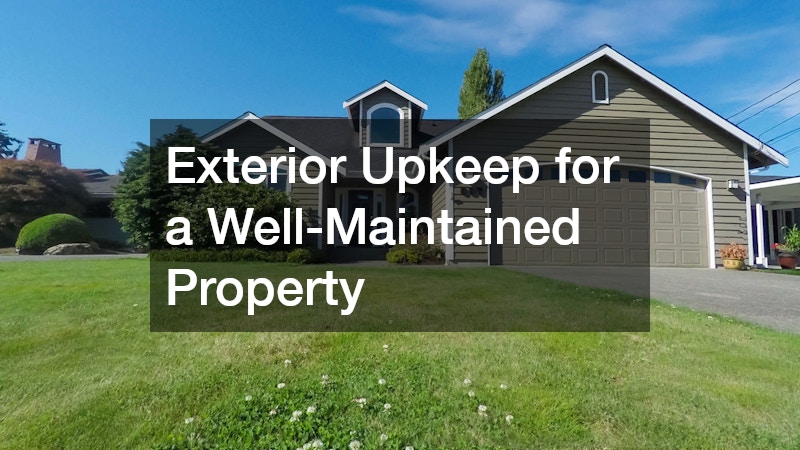
Handing over the down payment and receiving the keys to your first home is an incredible milestone, but it also signals a fundamental shift from renting to the full responsibility of property stewardship. Instead of waiting for components to break before calling a landlord, you must adopt a proactive, preventative approach. Seasonal home maintenance acts as your primary insurance policy against costly emergency repairs, ensuring that you can identify minor issues like subtle water leaks, system inefficiencies, or structural wear before they escalate into catastrophic financial burdens. By breaking these tasks down into a manageable, season-specific rhythm, you can easily protect your financial investment, maximize your energy efficiency, and maintain a safe, comfortable environment for your family year-round.
Spring: Awakening Your Home and Inspecting Exterior Systems

As the ice thaws, spring marks the perfect time to evaluate how well your home withstood the winter. Freezing temperatures, heavy snow loads, and ice dams exert immense physical stress on your property. Spring maintenance is all about assessing this damage early and sealing your property against the heavy rains of early summer.
Your first point of inspection should be the roof line and the gutter system. Gutters and downspouts channel rainwater away from your roof, siding, and foundation.
-
Clear Debris: Scoop out dead leaves and twigs from the gutters. Use a garden hose to flush out remaining silt, checking that water flows freely out of the downspouts.
-
Examine Shingles: From the ground, check the roof for missing, cracked, or curling shingles that indicate winter storm damage.
Once the roof and gutters are cleared, shift your focus down to the foundation. Over the winter, water can seep into tiny pores in concrete or brickwork. When that water freezes, it expands, widening those pores into visible cracks.
To catch these issues before they result in a flooded basement, property owners often invest in a local infrared inspection. Using thermal imaging technology, a certified specialist can scan the walls of your home to detect hidden temperature anomalies. Because moisture holds heat differently than dry building materials, these scans pinpoint exactly where water is bypassing your siding long before a visible stain or patch of mold ever appears.
Concurrently, look at your home’s grading. The earth immediately surrounding your foundation should slope away from the house at a rate of roughly six inches of drop over the first six feet. Shovel in fresh topsoil to re-establish a proper slope if the ground has settled, preventing water from pooling against your basement walls.
Finally, spring is the time to breathe life back into your outdoor recreational spaces. If your property features a swimming pool, leaving it stagnant as the weather warms turns it into a breeding ground for mosquitoes and bacteria.
This is the ideal window to coordinate with certified pool contractors to handle the technical complexities of restarting your filtration system. These specialists pressure-test plumbing lines, check the pump and chlorinator for electrical faults, balance the water chemistry, and ensure that your backyard oasis is safe for summer swimming without risking a major underground leak.
Summer: Maximizing Energy Efficiency and Indoor Comfort

Summer shifts the maintenance focus from defending against external elements to optimizing indoor comfort and managing energy consumption. When July and August bring sweltering humidity and soaring temperatures, your home’s cooling systems are pushed to their absolute limits. Failing to maintain these systems causes your electric bills to skyrocket as worn-out components work twice as hard to achieve the same cooling output.
The heart of your summer comfort strategy is the central air conditioning system. An air conditioner works by pulling warm indoor air across an evaporator coil filled with cold refrigerant, absorbing heat, and blowing the cooled air back into your living spaces.
-
Replace Air Filters Every 30 to 60 Days: A clogged filter restricts airflow, forcing the system to run longer cycles and potentially causing the evaporator coil to freeze over.
-
Identify Critical Warnings: Watch out for unusual knocking sounds, weak airflow, or water pooling around your indoor unit. If you notice these symptoms, it is time to call a professional for ac repair before the system experiences a total compressor failure.
While keeping your cooling equipment in top shape is vital, reducing the overall heat load on your home is equally important. Inspect the caulking around your windows and replace worn weatherstripping on exterior doors to lock in the conditioned air.
Summer is also an excellent season to examine how your home generates and utilizes electricity on a grander scale. With daylight hours at their annual peak, evaluating your property’s solar potential is incredibly timely.
If your roof receives unobstructed sunlight for the majority of the day, scheduling a consultation for a solar panel installation can transform your property into an independent microgrid. Transitioning to renewable energy allows you to offset the massive electrical demands of running heavy summer appliances like air conditioners and pool pumps, lowering your utility bills while increasing your home’s overall market appeal.
Autumn: Preparing Your Heating and Electrical Systems for the Cold

When the leaves begin to turn, autumn signals that it is time to reverse your strategy. Your primary goal during the fall is to close up the home, secure your energy sources, and ensure that your heating and electrical systems are fully prepared to battle freezing temperatures. Waiting until the first blizzard hits to test your heating equipment can leave your family stranded in a freezing house.
Your highest priority in autumn is an intensive overhaul of your primary heating system. Whether you rely on a modern gas furnace, a heat pump, or an older boiler system, it has sat dormant for several months. Dust, pet dander, and debris have settled inside the combustion chambers, creating potential fire hazards and efficiency bottlenecks.
-
Test Thermostat and Vents: Switch your system to heating mode early in October to ensure it kicks on smoothly. Open all supply and return registers throughout the house, ensuring they are not blocked by furniture or rugs.
-
Schedule Professional Inspections: Because heating systems rely on combustion to generate warmth, safety is paramount. Hire a licensed technician to perform a comprehensive heating furnace repair or tune-up to clean the burner assembly, inspect the heat exchanger for cracks, and verify safe operation.
For homeowners whose properties utilize traditional heating methods, fuel logistics must be managed well before the ground freezes. If your home features an oil-fired boiler or furnace, check the fuel gauge on your storage tank early.
Do not wait until the tank is nearly empty to schedule a delivery. Get in touch with a dependable local home heating oil company to fill your tank to capacity and inspect the supply lines for signs of corrosion or weeping valves. Keeping your tank full during the autumn prevents condensation from forming on the interior metal walls, which can lead to water contamination and blocked fuel lines mid-winter.
While securing your primary heat source is critical, autumn is also the time to prepare for potential power grid failures. Heavy wet snow, ice accumulations, and high winter winds frequently bring down power lines, resulting in blackouts that can last for days.
If your property is equipped with a backup power system, pull it out for a thorough checkup. Change the engine oil, replace old spark plugs, and fill the tank with fresh fuel treated with a stabilizer. Taking the time to service your home generator in October ensures that if a winter storm knocks out the local electrical grid, your emergency power will engage immediately, keeping your lights on and your heating system operational.
Winter: Protecting Pipes and Managing Indoor Infrastructure
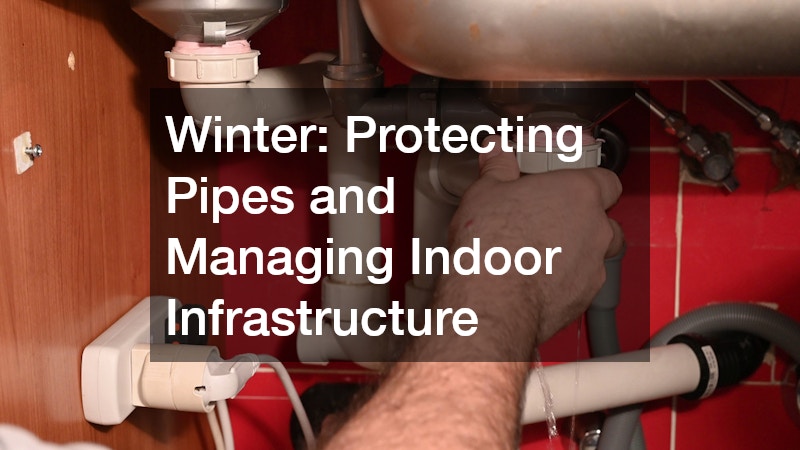
When winter arrives, the focus of home maintenance shifts almost entirely indoors. With sub-zero temperatures locking down the exterior of your property, your primary mission is to protect your home’s internal infrastructure from freezing damage and keep your core utilities running reliably under intense pressure.
The most critical threat during the winter months is the freezing of water lines. When water freezes, it expands with incredible physical force. If water is trapped inside a copper, PEX, or galvanized steel pipe, the expanding ice creates immense hydraulic pressure that will split the pipe wall wide open. Once that ice thaws, pressurized water will flood your home, destroying floors and ceilings within minutes.
To prevent this nightmare scenario, you must implement strict freezing prevention protocols across your entire residential plumbing layout. Start by locating and completely shutting off the water valves leading to your outdoor hose spigots. Open the outdoor faucets completely to allow any trapped water to drain out. Insulate any water lines running through unheated spaces like crawlspaces, uninsulated basements, garages, and attics using foam pipe sleeves or electric heat tape.
For ambitious homeowners looking to handle heavy-duty utility repairs or modifications during the winter lockdown, having the right tools on hand is an absolute game-changer. If you are dealing with traditional threaded metal piping rather than modern flexible plastics, maintaining your own specialized tools is highly beneficial.
Investing in a used pipe threader allows you to custom-cut and thread heavy-duty steel or iron pipes right at your workbench. This tool allows you to make precise, professional-grade connections when repairing old gas lines or durable water mains, saving you massive amounts of money compared to hiring out specialized mechanical fabrication work during the peak winter season.
Beyond managing your pipe infrastructure, winter is a critical period for indoor safety. Because windows and doors remain tightly shut for months, indoor air can quickly become stagnant.
-
Test Life-Safety Devices Monthly: Test every smoke detector and carbon monoxide alarm in your home. The risk of exposure peaks in winter when furnaces and space heaters are working overtime.
-
Keep the Dryer Vent Completely Clear: Clean out the lint trap after every single load of laundry, and inspect the rigid aluminum vent pipe running from the back of your dryer to the outside of your home to prevent devastating residential fires.
Year-Round Master Maintenance Checklists
While many home maintenance tasks are dictated by the changing seasons, there are several vital systems and habits that require consistent attention throughout the entire calendar year to prevent sudden, catastrophic breakdowns.
Every single month, you should dedicate roughly thirty minutes to a quick sweep of your home’s minor mechanical and safety features. Run a cup of baking soda followed by hot vinegar down your kitchen garbage disposal to clear out organic buildup and eliminate odors. Go down to your electrical panel and trip your GFCI outlets in the kitchen, bathrooms, and garage to verify that their internal safety circuit breakers are responsive.
On a quarterly basis, perform a dedicated walk-through of your property, specifically focused on water security. Water is a homeowner’s greatest enemy; slow, hidden leaks can quietly rot out subfloors and breed mold long before they manifest as a major puddle.
-
Inspect Under Every Sink: Open your kitchen and bathroom vanities with a flashlight, checking the P-traps and shut-off valves for any signs of moisture, green corrosion, or damp wood.
-
Check the Toilets: Drop a few drops of food coloring into the upper toilet tank; if that color leaks down into the bowl within fifteen minutes without flushing, your flush valve is leaking water down the drain, wasting thousands of gallons of water a month.
When you discover a plumbing issue that goes beyond a simple turn of a hand tool—such as a cracked drain stack, a failing main line, or a complex valve failure—it is vital to know your limits. Trying to DIY a complex plumbing repair without the proper licensing and experience often leads to a far worse disaster.
Keep a curated list of licensed, highly reviewed local plumbers saved in your phone. Establishing a relationship with a trusted professional trade service before an emergency strikes ensures that you receive prompt, expert service when a pipe fails or a drain line completely backs up into your home.
Finally, twice a year, you must give proper attention to your water heater. Over time, minerals like calcium and magnesium precipitate out of the water and settle into a thick layer of rock-like sediment at the very bottom of your tank, creating a thermal barrier that reduces efficiency and burns out heating elements.
To maintain optimal efficiency and extend the lifespan of your unit, hook up a standard garden hose to the drain valve at the bottom of the water heater tank. Run the other end of the hose to a floor drain or out to the yard, shut off the power or gas supply, and open the valve to flush out several gallons of water until it runs completely clear of white mineral flakes. This simple twenty-minute process can easily add five to ten years to the operational life of your water heater, saving you a substantial amount of money in premature replacement costs.
Embracing the structured, seasonal rhythm of home maintenance shifts your role from an anxious property owner to a confident, proactive manager of your investment. While the complete list of tasks required to care for a house can seem intimidating at first, establishing these routine checks ensures your family’s daily safety, preserves your equity, and systematically insulates you from unexpected financial shocks. By taking it one system and one weekend at a time, you transform essential upkeep into an easy habit, guaranteeing that your home remains a reliable, efficient, and comfortable sanctuary for decades to come.